
Negligent Security Litigation
After a Security Incident: Evidence That May Matter
A practical guide to records that may matter after an assault on Florida premises, including video, access records, complaints and maintenance history.
ExploreSerious injury · Premises liability
After an assault or other violent incident, a family may need answers about more than the person who committed the crime. Sotero Law evaluates whether a property owner's, operator's or another responsible party's failure to take reasonable precautions contributed to serious harm.
PRACTICAL PERSPECTIVE. LEGAL PURPOSE.
YOUR CIRCUMSTANCES. YOUR OBJECTIVES.
A crime on or near a property does not, by itself, establish a negligent-security claim. The analysis begins with a duty of care: who controlled the relevant premises, why the injured person was there, what risks were reasonably foreseeable, and what precautions were reasonable in those circumstances. It also requires a supported connection between an alleged failure and the injury.
An investigation should distinguish a documented security problem from assumptions made after a tragic event. Earlier complaints, relevant incidents, maintenance issues and the property's actual operations can help explain what was known and what could reasonably have been done. Each location and incident requires its own assessment.
HOW SOTERO LAW CAN HELP
Assess the property relationships, relevant risks and responsibilities that frame a potential claim.
Identify footage, complaints, operating records and maintenance history relevant to the alleged failure.
Connect the event with supported medical, work and daily-life consequences.
Evaluate responsible parties, available evidence, statutory issues and appropriate next steps.
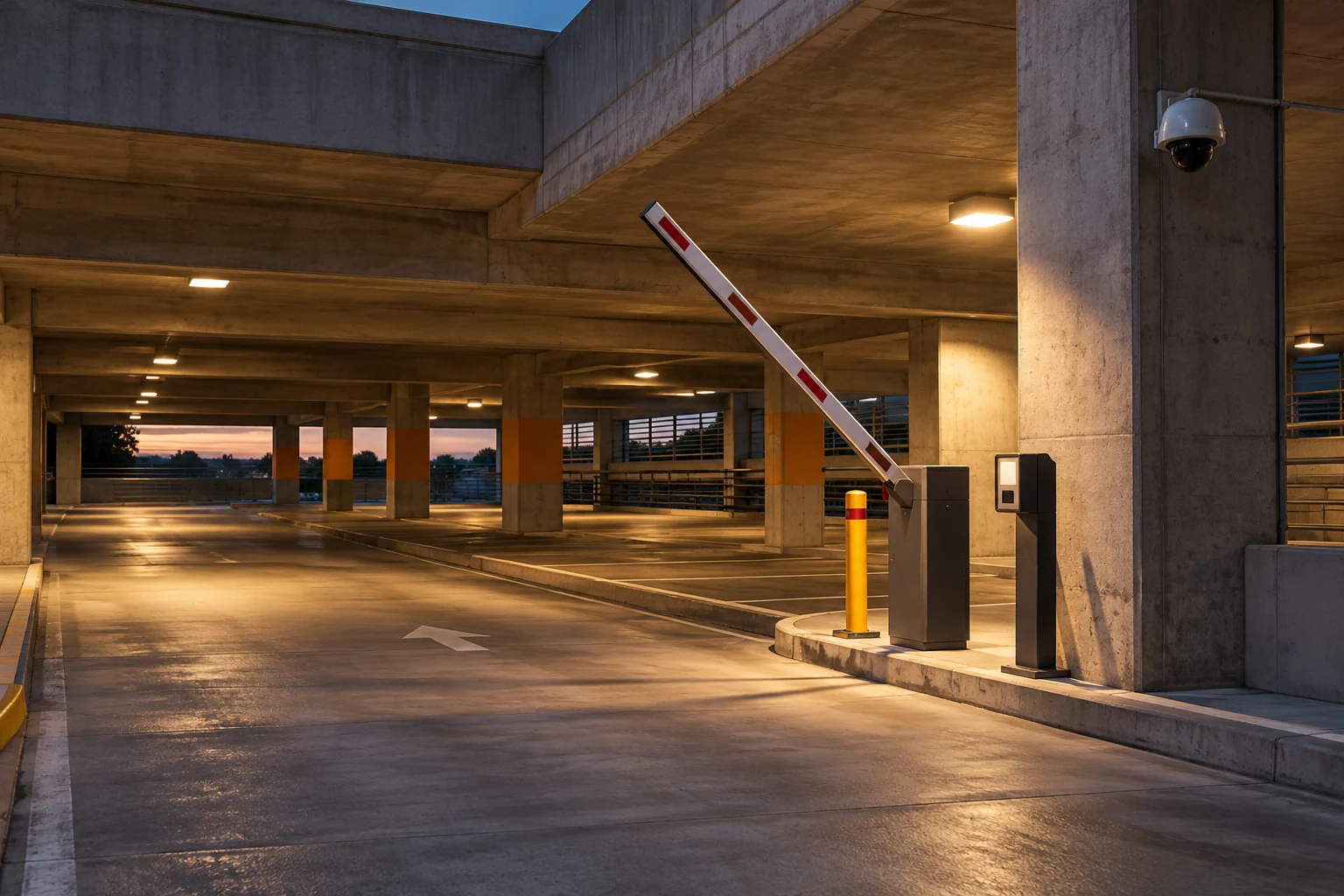
Potential matters can arise at apartments and condominiums, hotels, retail centers, parking facilities, entertainment venues and other premises. A broken entrance gate, an unlit access route or an unanswered security complaint may warrant investigation. None proves liability without the surrounding facts.
Responsibility may be divided among an owner, management company, tenant, event operator or security contractor. Contracts can help identify assigned responsibilities, but actual possession, control and conduct also matter. Reviewing these relationships early helps avoid treating every company associated with a property as equally responsible.
Useful evidence often extends beyond a police report. Video, access records, maintenance history and witness accounts can show how the premises functioned before and during the incident. The relevant period and locations should be identified carefully; footage from a nearby entrance may matter even when no camera captured the assault itself.
Families can preserve records they already possess without conducting their own investigation. Keep original photographs, messages, receipts and report numbers. Identify potential witnesses and video locations for counsel. Do not enter restricted areas, confront an alleged offender or alter files to improve their appearance.
Florida Statutes section 768.0701 requires consideration of all contributing persons' fault in covered premises claims involving third-party criminal acts. Section 768.0706 separately provides a presumption against liability for qualifying multifamily properties that substantially implement specified security measures. The owner or principal operator must establish the required implementation; failing the checklist does not automatically establish negligence.
These provisions make the records behind a security program important. The applicable law, incident date, parties and evidence must be considered together. A checklist alone cannot determine whether a particular person has a viable claim.
Serious physical injury can bring medical treatment, missed work, rehabilitation needs and lasting changes to daily life. A careful review distinguishes documented expenses and limitations from estimates that need further support. Medical, employment and financial records help establish the consequences of the event.
When an incident results in death, the analysis also includes the estate's personal representative, eligible survivors and the losses available under Florida's Wrongful Death Act. The appropriate procedure and potential recovery depend on the individual circumstances; no result can be determined from the incident category alone.
No. Its condition may be relevant evidence, but the review must also address duty, foreseeability, the reasonableness of precautions, causation and the injury. A defect unrelated to how the event occurred may not establish liability.
A criminal investigation and a civil property-liability claim address different questions. A police report can be useful, but the civil review also examines property control, precautions, causation and losses. Do not assume a pending criminal matter preserves a civil filing deadline.
Prompt review can help identify records before they are lost and determine applicable filing requirements. Time limits depend on the claim, its timing and the parties involved. Contacting a firm or submitting a consultation request does not itself stop a deadline.
RELATED READING
Negligent Security Litigation
A practical guide to records that may matter after an assault on Florida premises, including video, access records, complaints and maintenance history.
ExploreGeneral information, not advice for a particular matter. Facts, policies, contracts, governing law, and deadlines require individual review. A consultation request does not create an attorney-client relationship or stop a deadline.
LET’S DISCUSS WHAT COMES NEXT